Asset Registry
An Asset is any valuable Item owned by a Company.
Furniture, computers, mobile phones, printers, cars, manufacturing equipment are examples of assets. Generally, an asset is a tangible item that is located on the company premises or is carried by an employee. In some cases, an asset could be an intangible item.
An asset's useful life spans across multiple years and hence its economic value is spread over corresponding years from the accounting perspective. If you buy a printer for $300 and it is expected to be useful for three years, from the accounting perspective $100 is recorded as the expense for three years each instead of all the $300 in the first year. Most countries have rules for such calculations.
In ERP Next, the Asset record is the heart of asset management module. All the transactions related to an Asset like purchasing, depreciation, maintenance, movement, scrapping, sales will be recorded against the Asset record.
Asset Registry Process
Go to Asset module/Search Asset list then after Select Add Asset
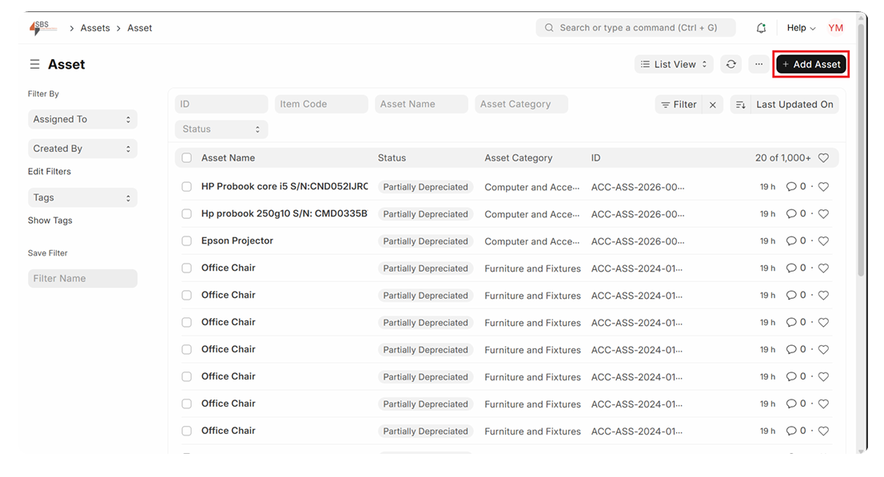
Then: Fill Mandator detailed
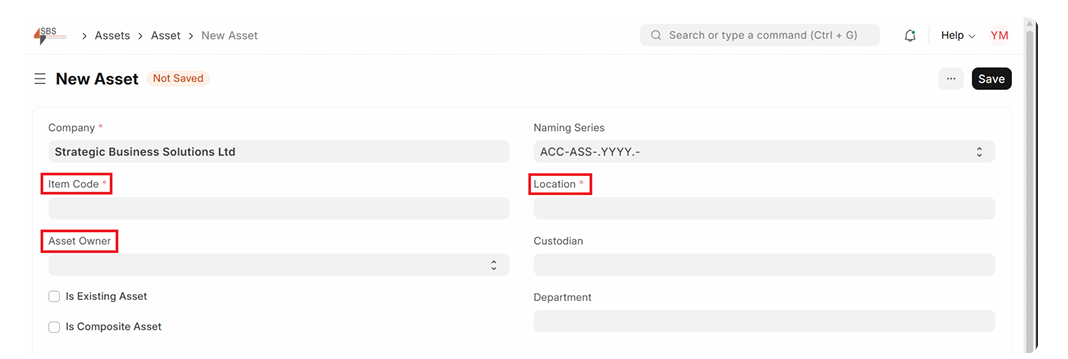
Item code; Links the asset to an Item in the system
location: Physical place where the asset is kept
Asset Owner; Person/company responsible for using or managing the asset
Then: Set Purchase Details
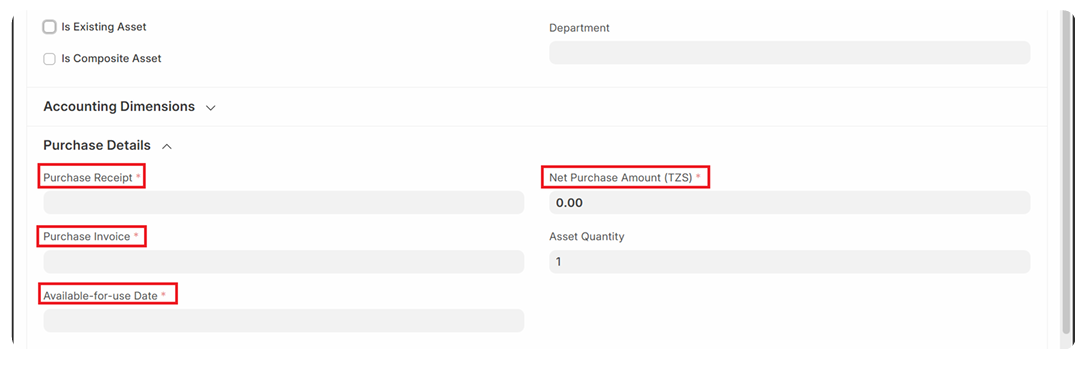
Purchase Receipt; This is a document that confirms:
“We have physically received the goods from the supplier.”
Content
Net purchase Amount: This is the actual cost of goods after adjustments.
Purchase invoice; this document confirms Supplier sends bill
Available-for-use Date; The date when the asset is ready to be used in business
If you Check Is Existing Asset
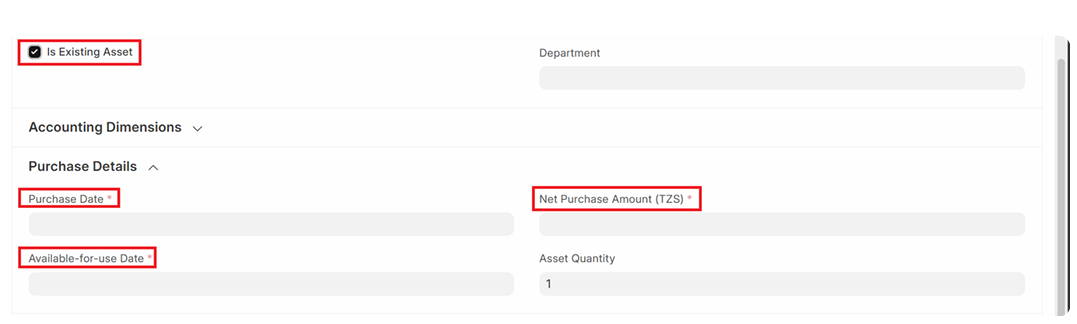
Purchase Date; its date where the asset purchase
Then: Set Depreciation Detail
"if you Check Is Existing Asset” First, fill
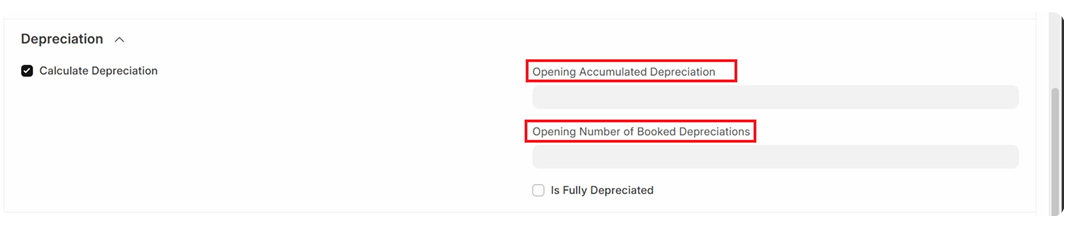
Opening Accumulated Depreciation: The total depreciation already charged on an asset before you start using the system
Opening Number of Booked Depreciation: The number of depreciation entries (periods) that have already been recorded for an asset before you start using the system.
Second, Continue with
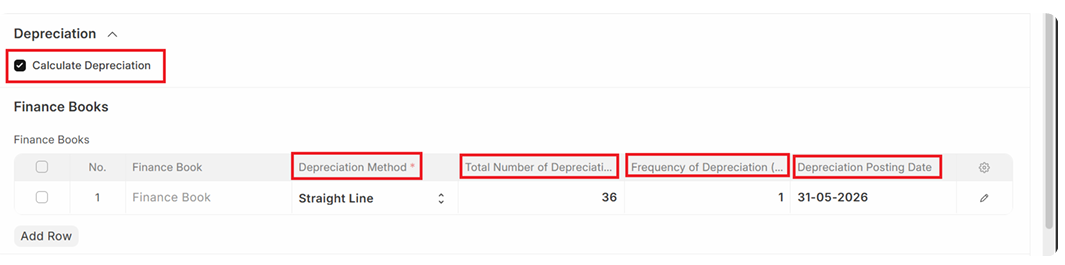
Depreciation Method: The rule used to calculate how an asset loses value over time
Total Number of Depreciation: The total number of times (periods) depreciation will be charged over the asset’s useful life
Frequency of Depreciation: How often depreciation is recorded for an asset (the time interval between depreciation entries).
Depreciation Posting Date: The exact date when the depreciation expense is recorded in the accounting books (General Ledger).
Then Save and Submit